May 8, 2026 | By: Letícia Zen
Share
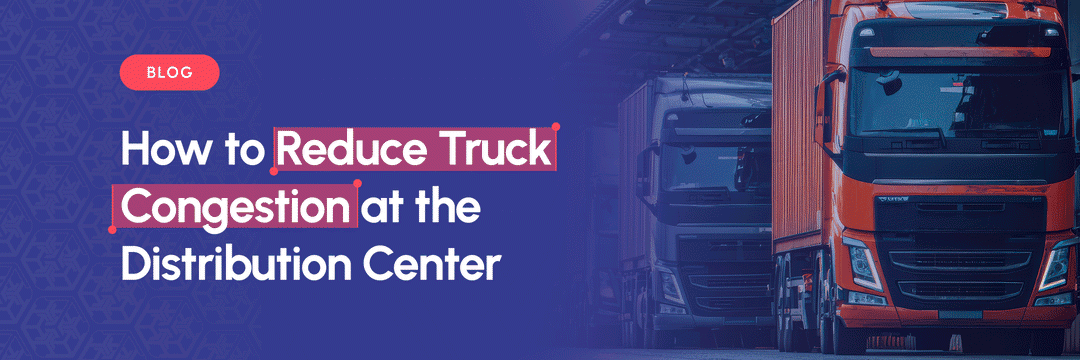
The scene is common at many distribution centers (DCs): trucks waiting for hours to enter the yard, drivers with no clear ETA for their service, and internal teams working under pressure to keep up with the operation. The consequences of this reality directly impact costs, productivity, and, most importantly, the level of service delivered to the end customer—since delays at the DC can compromise the entire supply chain right down to the store shelves.
Yard congestion is not just an isolated logistical issue. More often than not, it reflects flaws in operational management, especially regarding yard organization and scheduling. A lack of predictability, disconnected communication, and the absence of real-time control turn inbound and outbound flows into a continuous bottleneck.
However, you can mitigate this scenario through strategic measures that bring organization and control to your distribution center's yard. Discover the best practices below!
Yard management is the vital link between transportation and the internal operations of a distribution center. When this process is poorly structured, the entire supply chain suffers—from the carrier to the final customer.
An efficient operation relies on visibility, organization, and the ability to anticipate issues. Without these, the yard becomes a breeding ground for accumulation and inefficiency. Companies that treat yard management as a strategic part of their operations successfully reduce wait times, increase dock turnover, and significantly improve on-time delivery rates.
Below are some essential practices to transform this environment.
One of the main culprits behind long lines is the uncoordinated arrival of vehicles. When there is no control over who arrives, when they arrive, and what their priority level is, the result is inevitable: operational gridlock.
Advanced scheduling creates organized appointment windows, smoothing out the flow throughout the day and preventing demand spikes. However, simply "having a schedule" isn't enough. It is crucial that this process is centralized within a single channel, integrated with carriers and suppliers, and updated in real time.
Communication cannot be fragmented across emails, phone calls, or disconnected spreadsheets, as this compromises operational reliability. The ideal approach is to centralize scheduling within a structured, user-friendly system that ensures all stakeholders have full clarity regarding time slots, priorities, and schedule changes.
The result is a more predictable and, consequently, smoother operation.
Another critical bottleneck that directly causes lines is document verification upon arrival. When invoices, purchase orders, or cargo data are only validated at the gate or the loading dock, service times skyrocket, creating a domino effect that impacts the entire queue.
Pre-checking documentation allows teams to identify discrepancies before the vehicle arrives. This prevents operational hold-ups, order rejections, or the need for extra trips to deliver missing items. Furthermore, this process helps reduce dwell time in the yard, increases adherence to appointment windows, and improves internal labor planning.
With data validated in advance, operations gain momentum and predictability.
As we have previously highlighted on this blog, performance metrics are fundamental for efficient yard management.
Monitoring metrics such as average wait time, loading and unloading times, dock utilization rates, and schedule adherence is essential to pinpoint bottlenecks and make informed decisions.
This data allows you to:
More than just tracking numbers, leveraging KPIs transforms yard management into a continuous optimization loop.
The physical and operational layout of the distribution center also plays a decisive role in reducing lines. Dock zoning, for instance, allows specific types of cargo to be directed to dedicated areas—such as a cold storage zone or a section for cleaning supplies—preventing conflicts and boosting productivity.
Additionally, well-defined processes, from gate check-in to internal routing, speed up decision-making and eliminate unnecessary downtime.
Other relevant steps include standardizing operational workflows, clearly defining priorities, and fostering seamless integration among yard, warehousing, and transportation teams. When internal processes are efficient, the positive impact on service time is immediate.
The Tempo Certo solution was developed specifically to bring visibility, control, and intelligence to yard management. With a comprehensive system for scheduling, real-time tracking, and KPI management, you can seamlessly organize vehicle flow, optimize dock utilization, and significantly reduce wait times at your distribution center.
Contact Tempo Certo today and discover how to transform your yard into a hub of efficiency.
Share
Contents
See also
Complete the form and a member of our team will be in touch shortly.
We respect your privacy and will never share your information with third parties.
 Monday to Friday - 9:00am to 5:30pm
Tempo Certo Soluções em Softwares Ltda | © All rights reserved
Made by: